
Blue Skies 4 Arizona

Stand Together to Stop Solar Radiation Management and Ensure Weather Modification Transparency and Accountability in Arizona

Protecting Arizona's Future

Together We Can Bring Back Clear Blue Skies

Educating, unifying and taking action against solar radiation management (SRM) and stratospheric aerosol injection (SAI), often referred to as geoengineering.

Our Mission

We stand for transparency, public health, and responsible weather policy in Arizona.

We are dedicated to educating the public and unifying voices to protect our natural skies.

Legislative Focus

We are actively tracking bills in the AZ House and Senate to ensure environmental transparency.

Community Defense

Protecting our agriculture, water sources, and air quality from unregulated experimentation.

HB 2042: A Win for Arizona’s Skies

01/27/2026

We have reached an important milestone, and it happened because people like you showed up, spoke out, and stayed engaged. This is what civic participation looks like!

✔️ HB 2042, the bill introduced to prohibit solar radiation management, passed the House Natural Resources Committee by a 6 to 4 vote. Passing committee means the bill was not stalled or quietly set aside. It earned approval to keep moving forward in the legislative process. It will now be heard in the Senate as SB 1278.

This progress reflects growing bipartisan agreement that decisions affecting our skies should be transparent, accountable, and openly debated.

Now the focus shifts to the Senate, and your voice is needed again.

We're Not Done Yet!

Momentum Matters.
So Does What Comes Next

Please take action today:

  • Attend the 02/03/2026 Senate committee hearing if you are able to.

  • Register your support using the Request to Speak system

  • Respectfully contact members of the Senate Natural Resources Committee and ask them to support these bills

Senate Hearing Details:

🗓️ Tuesday, February 3 at 1:30 PM


📍 Arizona State Capitol

1700 W. Washington St.

Senate Building, Senate Hearing Room 1

Bills being heard:

A full room and strong public participation send a clear message that Arizonans care about transparency, accountability, and informed decision making when it comes to our environment.

Your presence matters. Your voice matters. This is how progress continues.

HB 2042 SRM prohibition bill passes House Natural Resources Committee

One Sky. One Voice. One Movement

Your Courage Can Inspire Change

How one woman helped Arizona spark it's first Geoengineering Prohibition Bill

Hi, I’m Jodi Brackett, and I sparked the creation of Arizona's first Geoengineering Prohibition Bill: HB 2056.

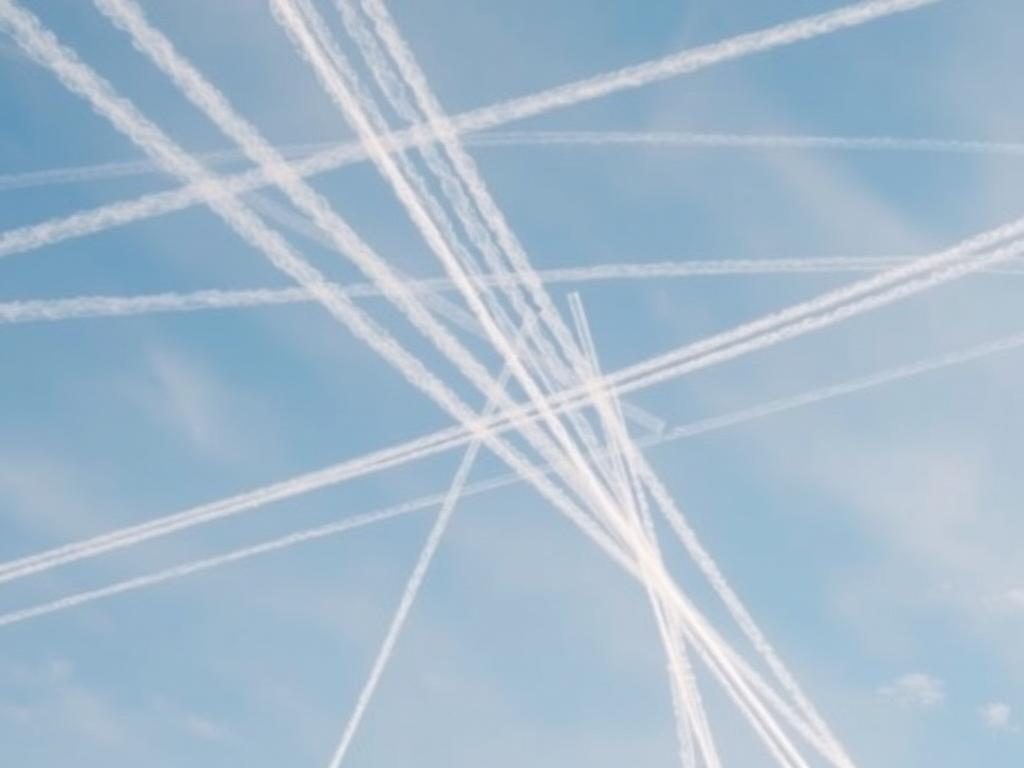
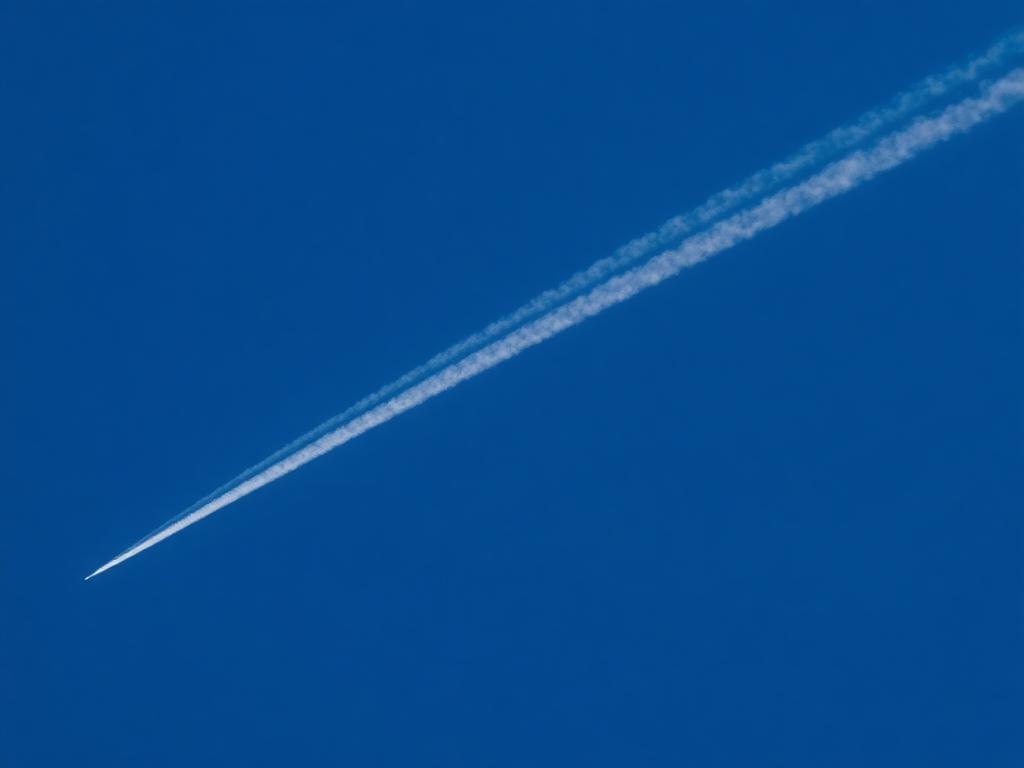
In early 2023, I noticed something unusual: long, aggressive white lines streaking across our skies. These lines didn’t fade like normal clouds.

Day after day, I watched them spread until the sunlight itself seemed dimmed. I couldn’t shake the feeling that something wasn’t right.

I watched closely, taking pictures and videos, and filled my calendar with notes describing what the sky looked like each day. The more I observed, the more I realized that this wasn’t natural. It felt intentional, as if the sun itself was being covered on purpose.

I learned that this practice is called Solar Radiation Modification (SRM). That discovery lit a fire in me. I sent photos and messages to legislators almost every day, urging them to take action.

Representative Lisa Fink finally answered, and listened when others didn’t. Because of her courage, Arizona took its first stand for clear, honest skies.

Together, we brought forward House Bill 2056, Arizona’s first-ever Geoengineering Prohibition Act. That moment marked the beginning of real accountability and awareness. HB2056 didn't pass, but it proved that one voice can start a movement.

Have You NoticED?

something isn’t right with our skies

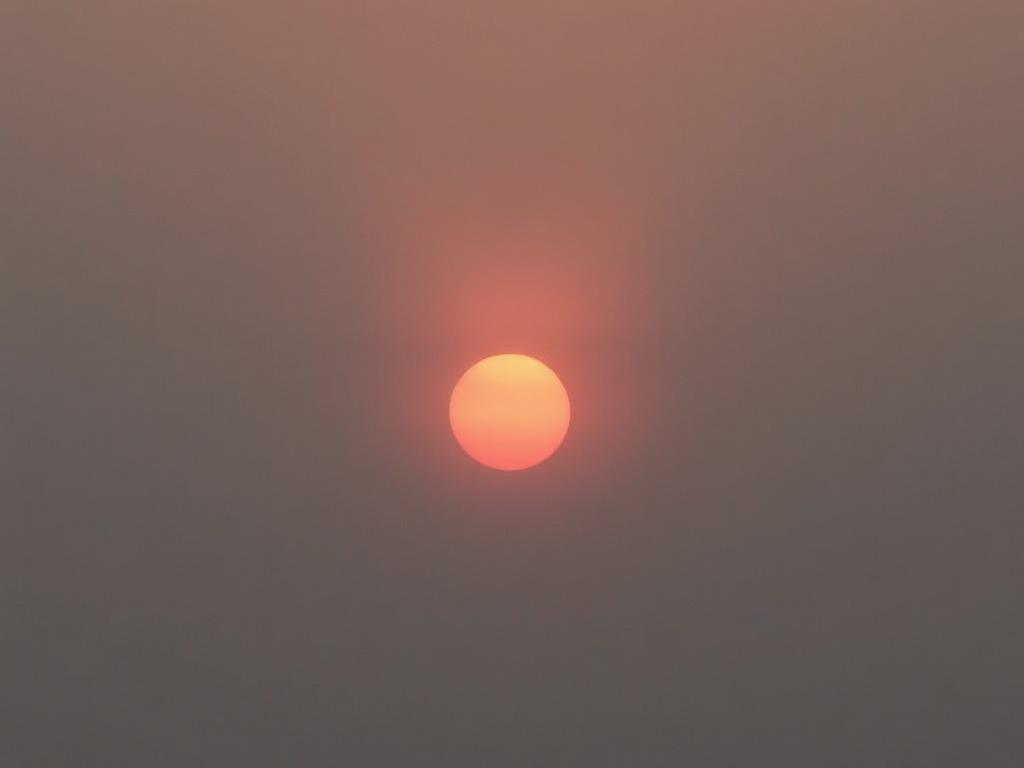
Once known for its bright, sunny days, Arizona is now increasingly blanketed by unnatural cloud cover. Lines and haze intentionally left behind by jets, spreading until the sun disappears behind a murky veil. No agency claims responsibility. No clear answers are given. But the effects are impossible to ignore.

Blue Skies 4 AZ was founded by ordinary people. Athletes, parents, professionals, who decided enough is enough. We’re here to educate, unite, and take action against the unregulated and unacknowledged practice of solar radiation management (SRM) and stratospheric aerosol injections (SAIs), often referred to as geoengineering.

What began as quiet concern has grown into a movement. One of our founders, a longtime triathlete, recalls how the skies used to be — clear, predictable, alive. But during Thanksgiving week of 2024, the transformation became undeniable. The sky would start off clear, then become crosshatched by aircraft trails until the sun was dimmed by a gray canopy. "They should do something about this."

Image

“I felt like a bug being exterminated. That’s when I realized I am the ‘they’ I’d been waiting for.”

From that moment on, we’ve worked tirelessly with local representatives, pushed for legislation, and built a network of informed, committed citizens. Though our first bill failed, our resolve has only grown stronger.

The Sting of Climate Intervention

In 2025, U.S. beekeepers have experienced catastrophic losses, some reporting over 60% of their honeybee colonies gone. That’s millions of pollinators vanished, marking one of the worst seasons on record.

A Silent Collapse:
Where Are the Bees?

As climate intervention strategies grow more aggressive, experts caution that disrupting one system can unbalance another. The bee crisis may be more than just a warning, it might be a symptom of unintended consequences.

While pesticides, parasites, and habitat loss are well-known contributors, scientists are also investigating broader environmental stressors, including the potential side effects of geoengineering.

Geoengineering, such as stratospheric aerosol injection (SAI), is designed to cool the planet by dispersing reflective particles like aluminum, barium, or sulfur into the atmosphere. But these particles may settle into soil and water, potentially affecting plant health and pollinator behavior

Congress Grills Weather Modification and
Climate Engineering Efforts

Playing God with the Weather
A Disastrous Forecast

A recent congressional subcommittee hearing turned the spotlight on one of the most controversial environmental topics of our time: weather modification and geoengineering.

Lawmakers and scientists debate weather modification and climate engineering in Sept. 2025 hearing.

What makes today’s conversation different is scale. Instead of simply trying to end a drought, geoengineering proposals aim to reshape the global climate. Methods include removing carbon dioxide from the air or injecting reflective aerosols into the atmosphere to block sunlight. Critics warned these approaches could trigger catastrophic side effects—crop failures, ozone depletion, acid rain, or even disruptions to ecosystems and human health.

Lawmakers, scientists, and policy experts debated whether attempts to manipulate the weather, or even the global climate, are scientific progress or reckless experiments with life on Earth.

The hearing revealed sharp partisan divides.

  • Republican members raised alarms over government-backed climate engineering, comparing it to “playing God” with the weather. They highlighted past government experiments such as Project Stormfury and Operation Popeye, warning that large-scale geoengineering could be dangerous and ripe for abuse.

  • Democratic members emphasized the urgency of addressing climate change, noting decades of evidence linking carbon emissions to rising global temperatures, droughts, and floods. They argued that careful regulation, not conspiracy theories, should guide the nation’s response.

For now, the message from experts was clear: the science is uncertain, the risks are high, and the need for public accountability is greater than ever.

AZ Legislation: What We’ve Learned

Sometimes progress in Arizona’s legislature does not end with a vote or debate. Sometimes a bill simply never reaches the hearing stage. It may not make headlines, but it highlights how important persistence and education are in creating lasting change.

Earlier this year, two bills: HB 2056 (sponsored by Rep. Lisa Fink) and SB 1432 (sponsored by Sen. David Farnsworth), aimed to bring transparency and accountability to atmospheric and weather modification practices. Their purpose was simple: to make sure the public has a voice and access to information about activities that affect our skies.

Although these measures did not advance this time, they achieved something meaningful.

They sparked a statewide conversation about transparency, environmental accountability, and public participation.

Thousands of Arizonans got involved, showing that this issue matters deeply to our communities.

Each legislative session gives us a new opportunity to refine our approach, build understanding, and strengthen relationships with decision makers. Real progress happens through education, outreach, and steady collaboration, not confrontation.

We are grateful to every lawmaker who listened and asked questions, and to every Arizonan who took the time to engage. Together we are building awareness, encouraging thoughtful dialogue, and moving Arizona closer to a transparent and accountable future.

From the Frying Pan Into the Fire

In a compelling episode of Back to the People, lead researcher and founder of GeoengineeringWatch.org, Dane Wigington joins Nicole Shanahan to share his journey from sustainable living advocate to whistleblower on covert climate engineering practices.

Back to the People Podcast

By manipulating Earth’s climate via scattering particles to block sunlight or sucking carbon from the air, it gambles with nature’s delicate balance, inviting consequences we can’t possibly predict.

After observing a significant drop in his solar panels' efficiency and discovering toxic levels of aluminum in rainwater, Wigington began investigating the potential link to solar radiation management (SRM) programs. He argues that these initiatives, intended to mitigate climate change by reflecting sunlight, may be causing unintended environmental harm, including soil degradation and forest decline.

Wigington warns that such geoengineering efforts could be exacerbating the very issues they aim to solve, pushing us "from the frying pan into the fire."

We Need Leaders Who Protect Arizona’s Skies

Leaders like Representative Lisa Fink and Senator David Farnsworth give us reason to hope. They remind us what true public service looks like: listening, representing, and standing up for the people they serve, even when it is not the easy path.

In 2024, they introduced Arizona’s first bills to address weather modification and geoengineering practices. Their efforts marked a turning point in recognizing that transparency and public involvement belong at the center of environmental decision making.

HB 2056, sponsored by Rep. Fink, focused on preventing unapproved atmospheric activities such as cloud seeding and solar radiation management.

SB 1432, sponsored by Sen. Farnsworth, strengthened the language to ensure accountability for anyone releasing materials into Arizona’s atmosphere.

Together, these bills expressed a simple but powerful idea: Arizonans deserve to know what is being done in their skies and to have a say in it.

Both measures gained meaningful traction. SB 1432 passed the Senate. HB 2056 passed the House Regulatory Oversight Committee. Each success proved that this issue resonates far beyond politics. It reflects a shared value among lawmakers and citizens who care about health, safety, and accountability.

Although the bills did not advance further this session, their introduction sparked awareness, dialogue, and engagement. Every conversation, hearing, and vote brings Arizona one step closer to the open and transparent process that our communities deserve.

Arizona needs more leaders who are willing to continue that work, to listen, to learn, and to stand for the simple belief that the people should always have a voice in what happens above their heads.

Examples of GeoEngineering

Latest from GeoEngineeringWatch.org